

- Academic Enrichment
- Admissions
- Art
- Campaign
- CCF
- Chapel
- Chemistry
- Classics
- Co-curricular
- Community
- Dance
- Design and Technology
- Drama
- Duke of Edinburgh
- Economics
- English
- Equestrian
- Farm
- Foundation
- General
- Geography
- History
- Houses
- Library
- Mathematics
- Modern Foreign Languages
- Music
- OLs
- Outreach
- Photography
- Science
- Scouts
- Sport
- Sports
- Trips and Visits
- UCAS/Careers
Geography in Action in Barcelona
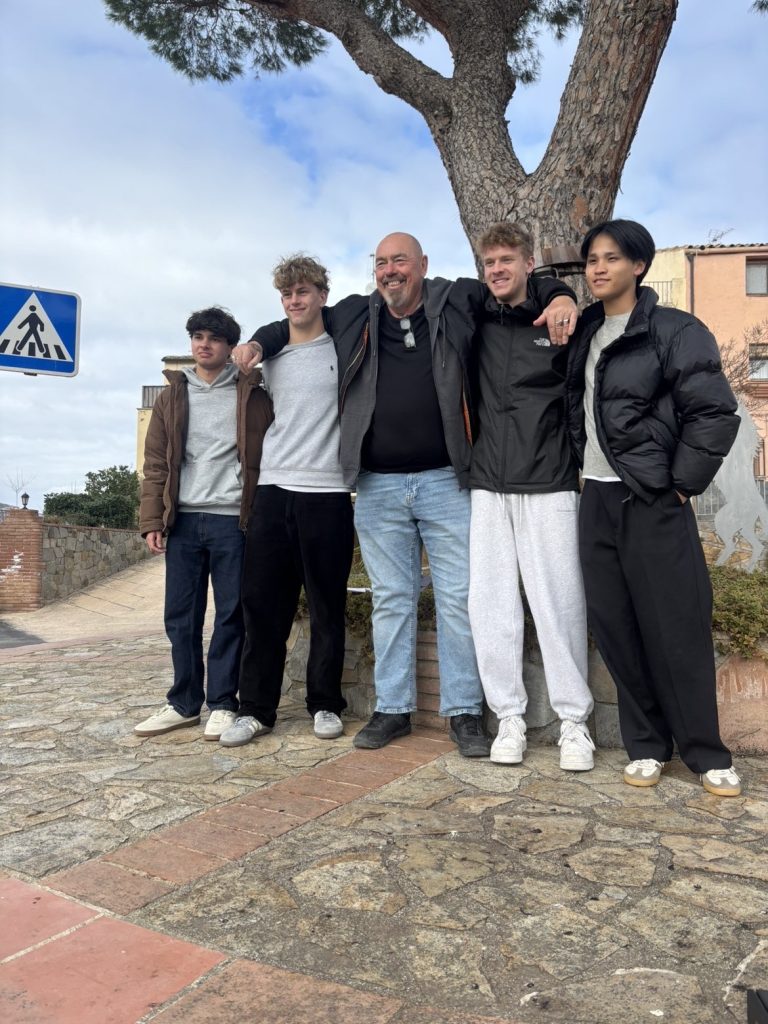


The Lower Sixth geography trip to Barcelona was an amazing opportunity for us to develop ideas for our independent coursework projects and see how regeneration has changed the city.
Following our arrival, we met our guide who accompanied us on a bus tour of the area. The first location that we stopped at gave us a beautiful view over the cityscape of Barcelona and its port, where we could clearly see remnants of the industrial past that the city has experienced. After this, we headed to see the iconic landmark, the Sagrada Familia, where we stopped to have some free time and lunch.
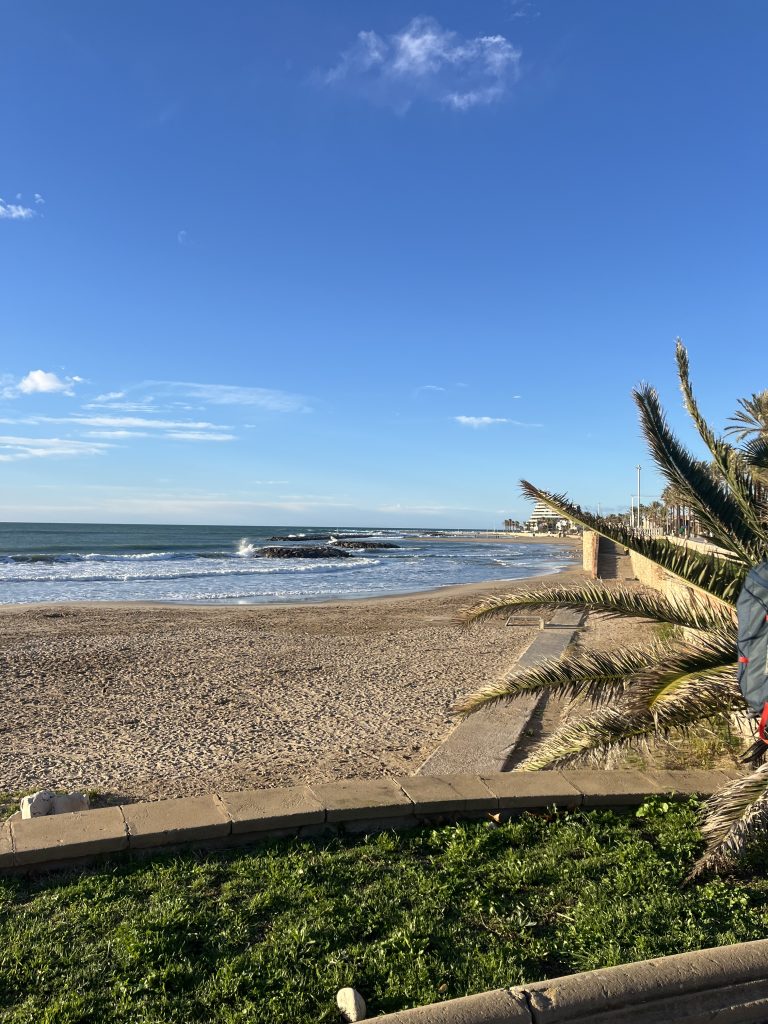
In the afternoon, we made our way to our hotel in the town of Sitges which was located right next to the beach, before walking along the coast’s promenade to see how the sea has changed the shape of the area over time.
The following day, we made our way to the Raval, a neighbourhood that is famous for its regeneration. Here, we did various data collections including environmental and perception surveys and we also went to see tourist attractions like the famous Cat statue and Raval Del Ramblas. The Raval gave us an insight into what it’s like for a local living in Barcelona and we could also see how investment has changed the city in comparison to how it was before the 1992 Olympics.
Overall, this day was very useful for improving our data collection techniques and it was also great to see many of the places that we have been studying in person.
Day three was our physical geography day, which we spent on the sunny beaches of Sitges. Here, we recorded a range of both qualitative and quantitative data that will help us massively when we eventually start our individual coursework pieces. We also tried various data collection techniques such as field sketches and pebble analysis and it was extremely beneficial for us to carry out research independently. The weather was incredible on this day, so we ate lunch on the beach whilst Dr Reesink gave us a lesson on the different types of shells that he had found which was fascinating.
In the afternoon, we headed over to what felt like an untouched and secret beach just behind the town. Here, we admired the Punta de les Coves headland which displayed various landforms that we had studied in our lessons before heading back to the hotel for a buffet dinner.
The final day was about the rural mountain towns to the west of Barcelona. We headed into three traditional towns, recording data and looking into how the places made us feel and how we perceived them. There were beautiful viewpoints of the vast vineyards at each town with factories scattered around them. We were very fortunate to see the inside of one of the oldest wine factories in Gratallops, where we saw the process of how the wine is made and stored. Each town contrasted significantly from the last and gave all of us a new perception of how life can vary in rural areas. That wrapped up day four, where we headed to the airport to make our return. It was a truly amazing experience and one that has thoroughly prepared us for our A level coursework. A huge thank you goes to the teachers for helping us grow our understanding of the subject and for a wonderful trip.
Alice Y and Sam W, Lower Sixth