The trip began with a relaxing visit to the Secret Lagoon, where the group enjoyed the warm thermal waters, with some brave enough to take refreshing dips in the cold plunge pool. From there, pupils travelled to Gullfoss, one of Iceland’s most iconic waterfalls, where vast volumes of water plunge dramatically over two tiers into a rugged canyon below.
The day continued at the Geysir geothermal area, where students witnessed the impressive eruptions of superheated water bursting from beneath the Earth’s surface. A visit to a local ice cream farm provided a memorable contrast between physical and human geography, with pupils able to watch the cows responsible for producing the ingredients while enjoying the farm’s own ice cream.
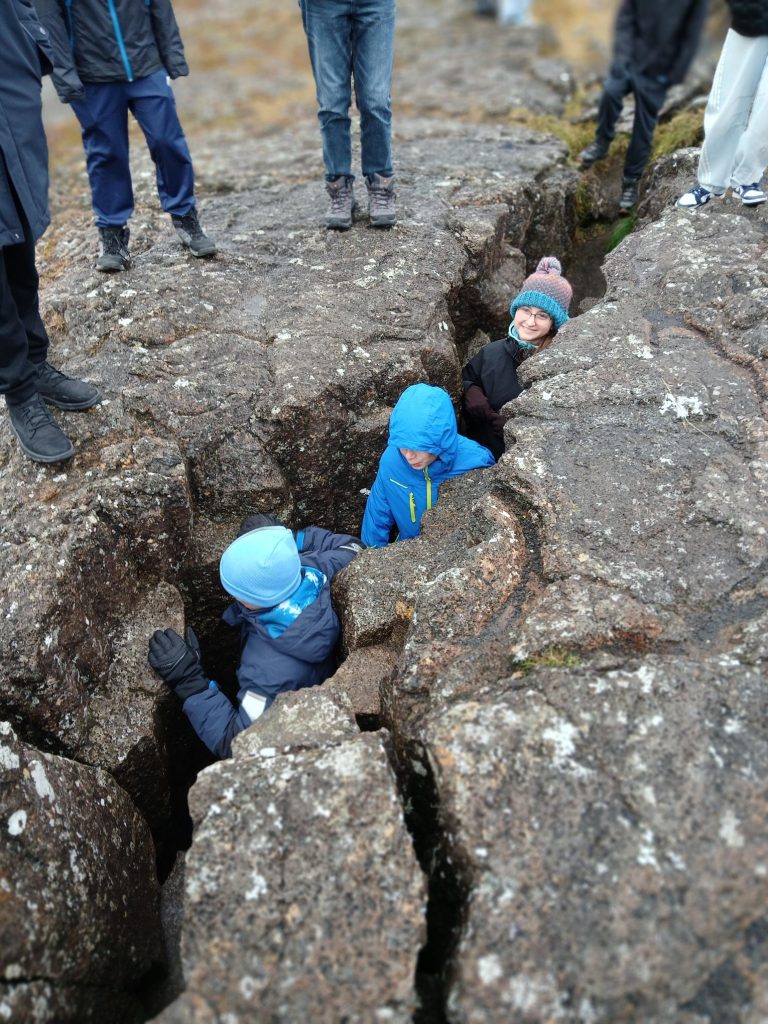
The final destination of the day was Þingvellir National Park, where students had the unique opportunity to stand between two of the Earth’s tectonic plates, the Eurasian Plate and the North American Plate. A stop at a local supermarket on the journey back to the hotel rounded off an excellent first full day.
The adventure continued underground with a visit to a lava tunnel. Equipped with hard hats and headlamps, pupils ventured deep beneath the surface while learning about the formation of Iceland’s volcanic landscapes. A particular highlight came when the group switched off their lights to experience complete darkness within the tunnel.
Later, the group travelled to Natthagi Valley, where the effects of Iceland’s recent volcanic activity remain clearly visible. Although the lava flow occurred in 2023, sections of the landscape are still cooling, with steam continuing to rise from the hardened black rock.
A lunch stop in Grindavík offered a striking reminder of the island’s geologically active nature. Much of the town was evacuated due to volcanic activity in 2023, and despite some residents having returned, the largely abandoned buildings created an eerie atmosphere.
The afternoon featured visits to Reykjanes Lighthouse, the Stampar craters and Rauðhólar craters. However, the defining feature of the day proved to be Iceland’s notorious weather, with powerful winds and driving rain putting waterproof clothing to a thorough test. The group was more than ready for dinner at Reykjavik’s Hamburger Factory, bringing an exhilarating day to a fitting close.
Challenging weather conditions prompted some adjustments to the itinerary on the following day. Along the south coast, students witnessed the extraordinary sight of strong winds forcing water from a waterfall back upwards. The group then arrived at the famous Skógafoss waterfall, where they were able to admire the immense volume of water cascading over the cliff edge and enjoy panoramic views from above.
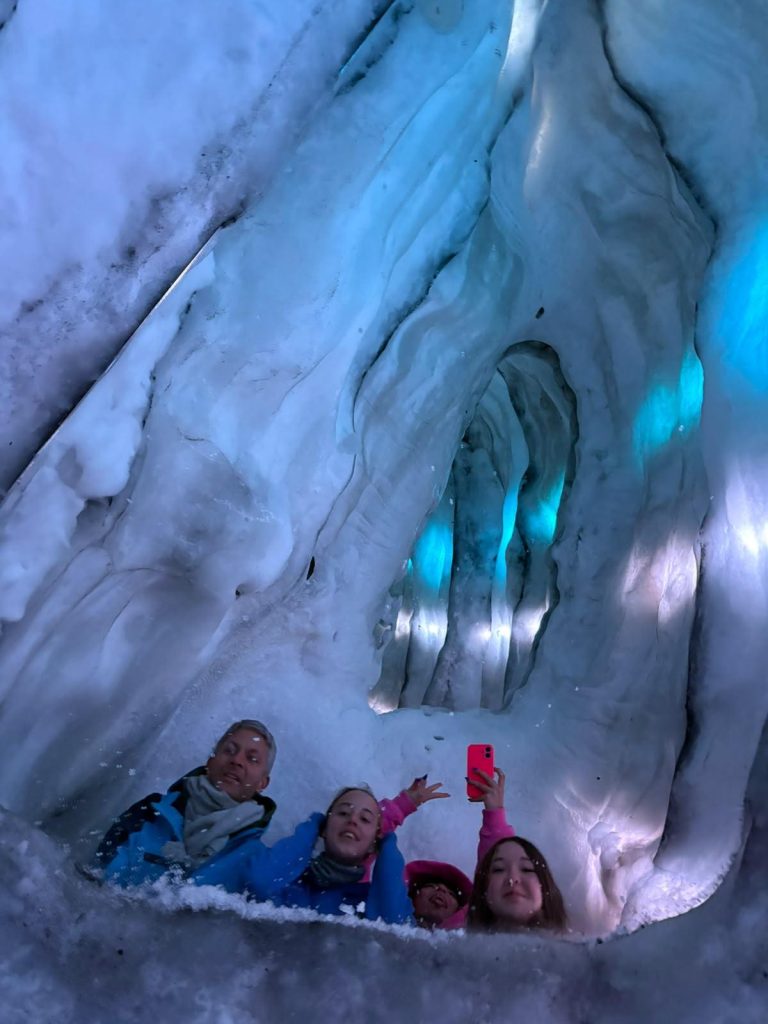
The weather led to an extended visit to the Lava Centre, where interactive exhibits explored Iceland’s volcanic history and the tectonic forces that continue to shape the island. Later, pupils visited the Perlan Museum, experiencing its ice cave and aurora exhibitions before returning to Reykjavik.
On the final day, after checking out of the hotel, the group explored Reykjavik, the world’s northernmost capital city of an independent nation. Students admired the striking Sólfar sculpture by Jón Gunnar before visiting Hallgrímskirkja, the largest church in Iceland, prompting inevitable comparisons with Lancing College Chapel.
Improved weather conditions made for an enjoyable walking tour of the city, taking in the main shopping streets, City Hall, the Pond and the Harpa Concert Hall. Pupils were then given time to explore the city independently before beginning their journey towards the airport.
One final geography stop was made at Krýsuvík, where students observed steaming geothermal vents and bubbling mud pools. Bright yellow sulphur deposits coloured the dramatic landscape, while the distinctive smell of geothermal activity filled the air.
Following a late afternoon flight, the group arrived safely back in the UK, bringing to a close a memorable expedition that combined first-hand geographical study with unforgettable experiences. The trip provided pupils with a unique opportunity to witness the powerful natural processes that continue to shape Iceland, offering a fascinating and inspiring start to the half-term break.